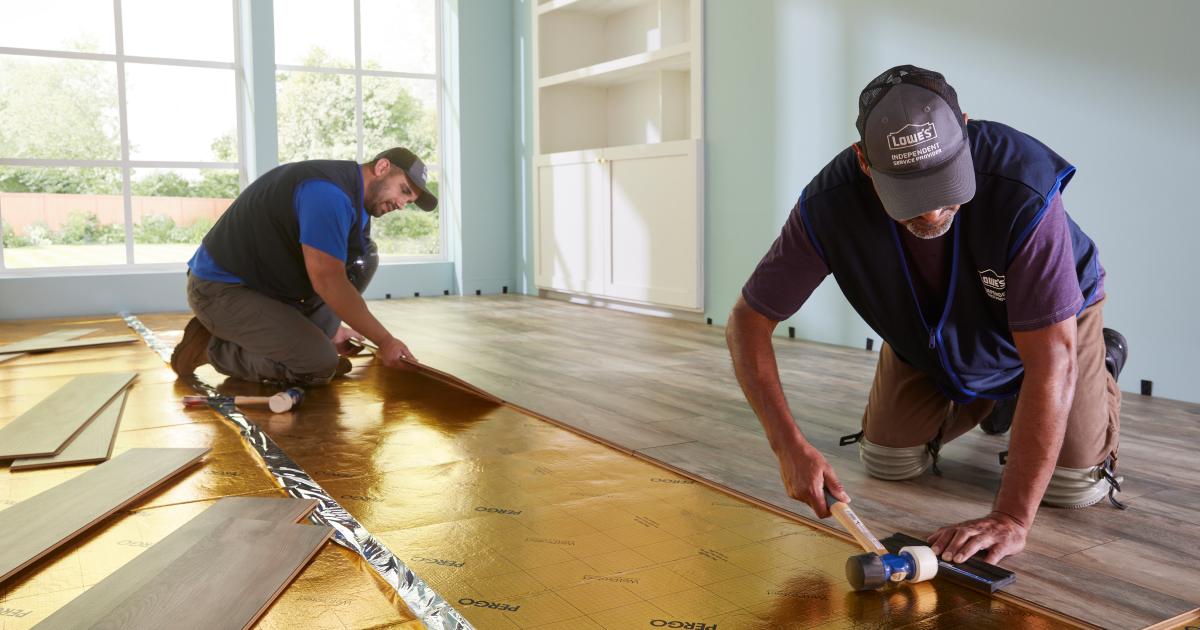
In the city of Philadelphia, flooring prices Philadelphia are among those issues where you'll come across wildly different numbers depending on where you look. In addition, the majority of information that's made available online is either national average data that doesn't reflect local labor rates or is vague enough to be useless when you're trying to plan a budget for a job. The Philadelphia metro area has distinct pricing dynamics, including there are union-affiliated labor markets ageing housing inventory that frequently creates subfloor hiccups, there's a huge gap between cost-conscious flooring installers and licensed contractors who are insured. Here's an in-depth breakdown of what the installation cost is throughout the city and in surrounding counties at the moment.
1. LVP Installation Is Your Most Affordable Starting Point
Luxury vinyl plank is often cost-effective for installation options in Philadelphia. Most LVP flooring companies provide installation at between $2.50 between $2.50 and $4.50 per square foot, for labor only and mid-range LVP material costing an additional $2-$5 by square foot. All-in, a typical area will cost $4.50 to $9 per square foot. It's easy to install, require minimal subfloor preparation in many cases, and the floating method speeds up labor by a significant amount when compared to nail-down glue-down options.
2. Hardwood Installation is more expensive -For a Reason!
Solid hardwood installation in Philadelphia typically runs $6 to the square foot for labor. for labor, based upon the method of installation employed as well as on the service provider. Nail-down hardwood is on the higher end because it requires greater preciseness, the proper subfloor depth and a longer time to install. When you glue down wood on concrete slabs, it will cost more material for adhesive. The actual wood can vary wildly in price. Budget hardwood costs at around $3/square foot and top species such as white oak, hickory or white oak can cost between $10 and $14 per square foot before a nail goes in.
3. Refinishing Hardwood is less expensive than Replacement -- Typically
If your hardwood floors are structurally sound, floor sanding and refinishing in Philadelphia generally costs between $3 and six dollars for each square footsubstantially less than the cost of ripping apart and installing. Refinishing with custom hardwood staining increases the cost, but it's cheaper than the new installation. The caveat is that floors that were refinished repeatedly or are prone to water damage or aren't strong enough to pass another time aren't necessarily candidates. A thorough assessment by a certified flooring installer can identify which side of this line you're in.
4. Tile Installation carries a Higher Labour Cost
Ceramic tile and porcelain installation is the most labor-intensive flooring option. Philadelphia flooring companies usually charge between $7 and $14 per square foot for tile installation labor. Ceramic tiles are on the higher end because of the difficulty of cutting. Wide-format tile, diagonal patterns, as well as bathroom tile installations with niches or borders push costs even higher. Materials costs range between $1.50 /square foot for ceramic that is basic to more than $15 for premium porcelain. If you've been told very low prices for tile then ask the tile manufacturer what's included.
5. Laminate Installation Doesn't Work Between LVP and Hardwood
Flooring made of laminate in Philadelphia generally costs between $3 to six dollars per square foot and materials are included at the lower end of the budget. It's a floating floor similar to LVP thus the costs for labor are comparable, however, laminate can be less accommodating to floors that are uneven and more vulnerable to moisture, which impacts where it could go in a Philadelphia home. The cheapest flooring installation estimates typically feature laminate and are usually not the correct choice dependent on the room.
6. Subfloor Repair is a wildcard That catches homeowners off guard
This is what blows budgets the most frequently. Subfloor repairs in Philadelphia -- patching wood rot, leveling, or replacing sections of old wood subfloor will cost you one to three dollars per square foot. This will be added to your flooring installation cost, or more. Older homes in Kensington, Germantown, West Philly, and similar areas are more susceptible to this. A flooring estimate that doesn't include a subfloor assessment before giving you an estimate must be taken with caution.
7. Location Within the Metro Affects Your Quote
Flooring installation costs of Bucks County, Montgomery County, Delaware County, and South Jersey aren't dramatically different from Philadelphia at all, but there are some variations. Suburban contractors sometimes have lower operating costs, while city jobs typically are subject to access and parking charges. If you're drawing quotes across different counties, be sure you're comparing exactly what's included -- materials like subfloor prep along with furniture moving, haul-away are handled differently by different contractors.
8. Getting Multiple Free Flooring Estimates Is Non-Negotiable
A majority of the reputable flooring specialists in Philadelphia offer no-cost estimates. Get at least three before signing anything. The difference between the cheapest and the highest estimate for the same job is frequently 30-40 percent and the cheapest quote is often not the most expensive option as neither is the most expensive always the best. What you're looking at is whether the contractor has assessed the subfloor's condition, understood its limitations, and priced appropriately.
9. Engineered wood is a great choice at the Middle Price Point
Engineered hardwood installation in Philadelphia typically runs $5 to 9 per sq ft installed which is less than solid hardwood but higher than LVP, and with properties that make it the best option in a variety of circumstances. It's worth asking any flooring expert you've met with to include an option for engineered hardwood in their estimates if they're trying to decide between vinyl and solid wood plank.
10. The lowest price rarely comes into Kontakt with the Real Job
Experienced Philadelphia homeowners will tell you this tale based on their personal experience. A quote that appears to be less than market value usually means that one thing cannot be included- subfloor work such as baseboards, transitions or the proper acclimation of the material. Licensed flooring installers build the items into their estimates as they know that the task requires them. Budget operators without a license let them go to win the bidding, and then provide their add-ons later once the construction has begun. Document everything prior to the time anyone starts ripping away your floor. Follow the top rated
luxury vinyl plank installation Philadelphia for blog recommendations including bathroom tile installation Philadelphia, solid hardwood floor installation Philadelphia, waterproof flooring installation Philadelphia, laminate flooring installation Philadelphia, hardwood floor resurfacing Philadelphia, flooring installation Montgomery County PA, flooring installation near me Philadelphia, laminate floor contractors Philadelphia, flooring installation near me Philadelphia, floor installation Delaware County PA and more.

Tile Vs. Laminate: The Perfect Option For Philly Kitchens
The choice of flooring in the kitchen of a Philadelphia home is more significant than any other room because kitchens here have to work. Rowhome kitchens that function as social hubs galley kitchens in older houses that endure constant circulation of people, and open-plan kitchens in renovated Delaware County colonials -- they all have the same core challenges: debris, water, grease, and decades of usage. Tile and laminate both pop frequently in flooring estimates across the Philadelphia metro, and both have arguments in their favor. However, they're not interchangeable, and choosing the wrong choice for a kitchen in particular can become obvious faster than it would anywhere else in the home. Here's the way that the comparison comes down.
1. Water Resistance is the First filter and Tile Obtains It Well
Kitchens get wet. Dishwashers leak, sinks spill, glasses get knocked over, and the mop and mop water sits longer that it should. Porcelain and ceramic tile are basically impervious to water near the surface. the potential risk, if there is one occurs in the grout, which is addressed with the proper sealing. Laminate has a wood-fiber core that absorbs water as soon as it's submerged in the layer. In an kitchen, this will happen eventually. Once laminate swells at the edges or seams the result is permanent, and the floor must be replaced. Waterproof flooring installation in a Philadelphia kitchen is a good goal, and laminate doesn't attain it.
2. Laminate is a less expensive entry Cost but a Lower Kitchen Lifespan
This is where laminate makes its strongest case. Flooring made of laminate in Philadelphia kitchens will always be lower than tile, cheaper material, less labor, no need for mortar or grout. If you're on a budget, who want an kitchen floor that appears nice now, laminate can be tempting. The real issue is its durability. Tile that is installed correctly in an Philadelphia kitchen could last 20 to 30 years without any significant effort. Laminate within the kitchen being exposed to the conditions of moisture that kitchens can generate, usually will begin to show signs of damage in 5-10 years.
3. Porcelain trumps ceramic in high-traffic Kitchen Conditions
All tiles are not created equal in the kitchen. Porcelain is stronger, denser and less porous than ceramic. It's able to take on cast iron pans that have been dropped or chair legs as well as constantly moving feet better over the course of. Ceramic tile flooring is a suitable option for kitchens, especially areas with less traffic or where cost is a major consideration however, the difference in density is significant in a space which is as prone to damage as a kitchen. Philadelphia flooring companies who carry out the majority of kitchen tile installation will typically steer the option of porcelain unless price is a major factor.
4. Laminate Comfort underfoot is an Advantage
This doesn't get enough recognition in the tile and. laminate debate. Tile is cold and hard - standing on it for an extended cooking session is noticeably heavier than laminate which has some cushioning and is warmer beneath your feet. In a Philadelphia rowhome, where the kitchen floor is situated over an uninsulated basement ceramic tile is unpleasantly cold without radiant warmth beneath. Laminate may not solve every flooring issue in the kitchen, but it will solve this issue, and for homeowners who do a lot of standing in their kitchens, it's an vital quality of life element.
5. Grout Maintenance is the only Negative of Tile
Tile has the edge in durability and water resistance, however grout is a problem. When grout is not sealed, or has a long-lasting age, it in the kitchen will absorb grease, staining, and even bacteria. Keeping tile kitchen floors looking tidy requires grout sealing prior to the first installation and ongoing resealing to extend time to extend the life of the floor. Philadelphia tile flooring professionals who can be honest about this will do you an excellent service. For homeowners who are looking for tile with minimum maintenance are usually those who end up in grey grout lines that were previously white.
6. Large Format Tiles Change the kitchen's appearance and Subfloor requirements.
Large porcelain tiles larger than 24x24 are becoming more popular in Philadelphia kitchens. They do look genuinely impressive in the right setting. The practical catch is that large format tiles are more demanding of flatness in the subfloor in comparison to the smaller tile. A slight variation in the subfloor appears as lippage- edges that are slightly different heights, which can cause visual problems and a trip hazard. Subfloor repair before large format flooring installation for Philadelphia kitchens is typically required which can add cost that may not show up in a material-only estimate.
7. Laminates Cannot be Refinished Once It Has Wear
Hardwood kitchen flooring which is not as common, but not uncommon -- is refinished and sanded as the surface wears. Tiles may have individual cracked tiles replaced. Laminate offers neither option. If the layer of wear on laminate wears away, which tends to do in kitchens faster when compared to bedrooms, the floor requires a total replacement. For those who plan to remain in their Philadelphia home for more than 15 years, the flooring's inability to be restored is a genuine long-term expense that the lower initial cost isn't always take into account.
8. LVP Is the Third Option The LVP option is always the most popular.
It's worth mentioning it explicitly the difference between luxury and regular vinyl planks. It's resistant to water, is warmer and more comfortable on the feet than laminate and is more durable in kitchen conditions than the other options, especially when it comes to the particular mix of moisture and foot traffic. LVP flooring is installed in Philadelphia kitchens has risen significantly because it has resolved the primary tension between the two choices which the majority of homeowners have been comparing. It's not the perfect solution for every kitchen however, it's one of the reasons the tile or. laminate conversation increasingly ends in a flooring consultant recommending another choice.
9. Installation Time Differs Significantly Between the Two
Laminate kitchen flooring installs speedily. A small or medium kitchen can normally be installed in a single day. Installing tile takes longer, as the time to set mortar as well as grout curing time, and the preciseness required to layout and cutting can add up. For Philadelphia homeowners seeking to bring a functioning kitchen tile offers a significant time-saving advantage. If you are making a large-scale kitchen remodeling in which the timeframe is already extended, tile's demands for installation can be a less significant factor in the overall decision.
10. The kitchen's existing subfloor should Influence the Final Call
More than aesthetics and budget as well as personal preference The condition and the type of subfloor that you choose for your Philadelphia kitchen needs to become the major factor in the material you select. A solid and flat plywood subfloor can open up a wide range of options including large format tile. An older subfloor of diagonal boards might require an overlay prior to tile becoming feasible, resulting in an increase in cost that will alter the cost comparison. A concrete slab below grade could alter the water conversation completely. The top flooring specialists in Philadelphia will examine the subfloor in the kitchen first and use the results to guide their choice rather than following the materials they've got in their warehouse. See the top Check out the recommended cheap flooring installation Philadelphia for website examples including hardwood floor installation South Jersey, flooring contractors Montgomery County PA, affordable flooring installation Philadelphia, flooring contractors Philadelphia PA, flooring installers South Jersey, flooring contractors Montgomery County PA, waterproof flooring installation Philadelphia, floor sanding and refinishing Philadelphia, flooring installation near me Philadelphia, subfloor repair Philadelphia and more.